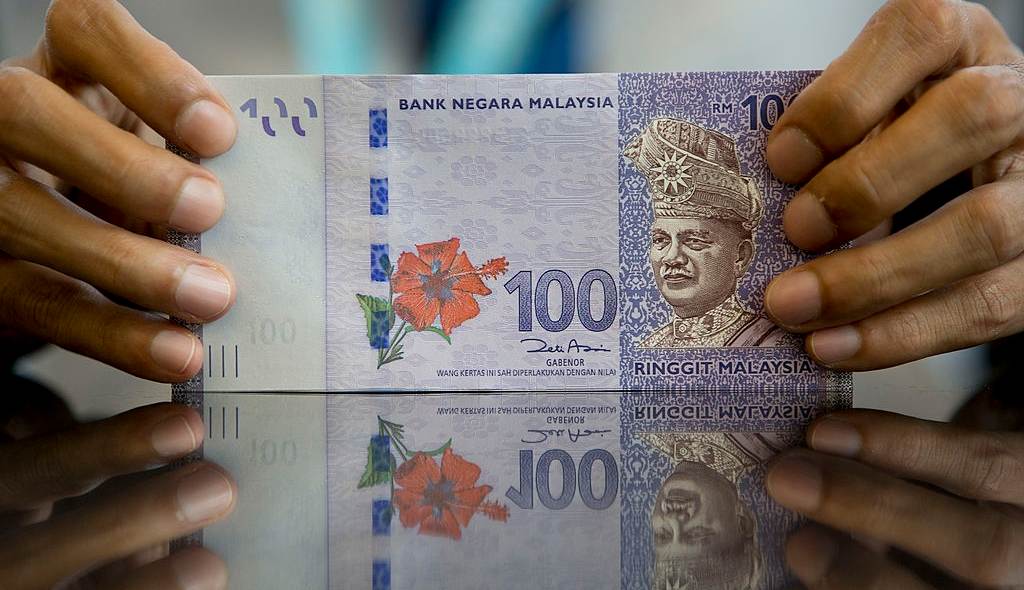
In a subdued holiday trading session, Asian currencies experienced an upswing, with the Malaysian ringgit leading the pack. This positive movement comes after a challenging week for regional currencies, influenced by assertive statements from the U.S. Federal Reserve and a surge in oil prices that bolstered the dollar. The ringgit saw a 0.4% rise as of 0350 GMT, marking its most promising performance since August. However, it has faced losses for three consecutive quarters. Following suit, the Indonesian rupiah and Indian rupee each strengthened by 0.1%. Yet, the rupiah is heading for its poorest quarterly performance since June of the previous year, losing over 3% in value.
The U.S. dollar index, tracking the currency against six other major counterparts, remained relatively stable. Nevertheless, it is poised for an eleventh consecutive week of gains, driven by expectations of the U.S. economy’s resilience to higher interest rates and surging oil prices.
Benefit from currency price movements and discover Top Forex Brokers in Malaysia
Notably, markets in Taiwan, China, and South Korea were closed in observance of a public holiday. Looking ahead, Asian markets are keenly anticipating key data points in the coming week, including the Reserve Bank of India’s monetary policy meeting on October 6, as well as inflation figures from Indonesia, the Philippines, and South Korea. Concerns have been raised over escalating fuel prices, hitting new highs this week, which may lead to increased import costs and sustained inflationary pressures for net oil-importing nations like Thailand and India.
Among other Asian currencies, the Thai baht experienced a 0.1% depreciation and is on course to record its fourth consecutive week of declines. Nonetheless, the currency has recouped some of its losses after touching 10-month lows during the week. The baht has seen a decrease of over 3% in value this quarter. The depreciation of the Thai currency is attributed to concerns about an expanding fiscal deficit due to increased spending by the country’s recently appointed government, which began its term last month and is implementing new policies to stimulate the economy.
Subscribe for our newsletter
Get Forex brokers reviews, market insights, expert analytics and education material right into your inbox for free!